Skip to content

Compilation

Waka Kotahi looking to adopt New South Wales RMS Assessed Risk Level approach.

Following the successful trialling of the Australian New South Wales (NSW) Roads and Maritime Services (RMS) Assessed Risk Level (ARL) for slope risk assessment and mitigation works identification, Waka Kotahi is looking to adopt the NSW ARL approach for future projects. Currently Waka Kotahi assess…
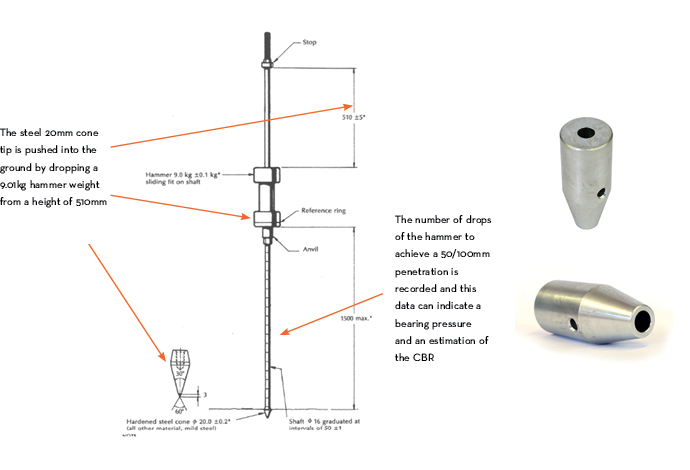

Introducing the clip on-clip off RockAnvil for Scala Penetrometer

The Scala Penetrometer (SP) or Dynamic Cone Penetrometer (DCP) is a tool used to measure the penetration resistance of in-situ soils. It is an arbitrary method of testing soils, but it is used for its cost effectiveness, durability and efficiency in which results can be…

The Shrink Swell Test: A Critical Analysis

Abstract The shrink swell test, which combines both the shrink strain and the swell strain, was developed in Australia in the 1980s. This test now underpins a codified approach to the foundation design of lightweight buildings on expansive (reactive) soils in Australia and New Zealand….

The use of SCPT and HVSR for site period and subsoil class estimation

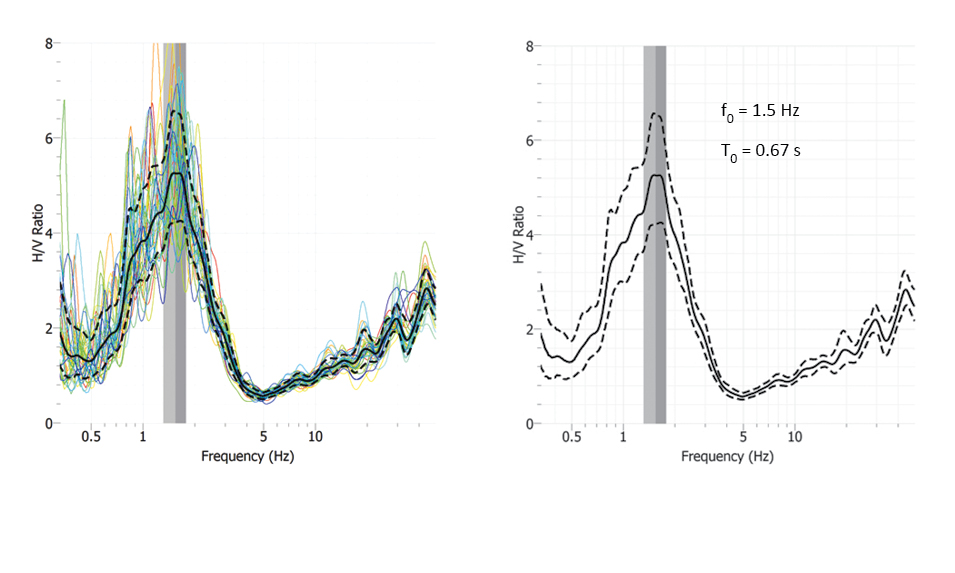
ABSTRACT NZS 1170.5:2004 provides a subsoil classification system of classes A to E, which are determined by specific criteria of soil or rock characteristics. The fundamental site period, T, is a key parameter in the classification system and is particularly useful in deciding between soil…

Landslide Risk Management, Te Ore Ore Slip, State Highway 4

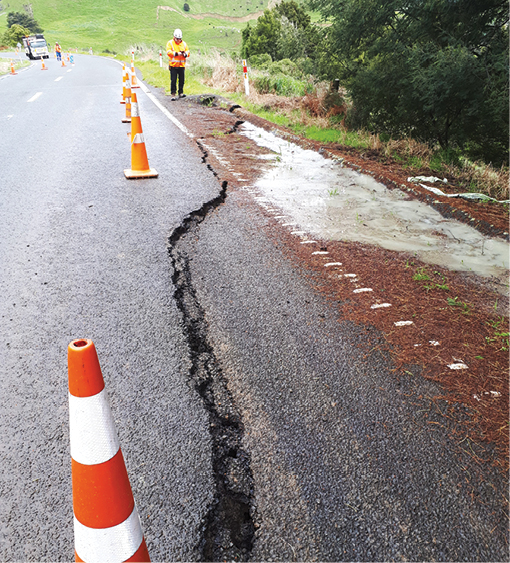
In October 2019, a spectacular landslide destroyed nearly 300m of State Highway 4 at a remote site near Te Ore Ore, about 20km south of Raetihi in the central North Island. The slip caused major disruption to the local community and to goods and tourist…

Converting Hoek-Brown strength envelope to Mohr Coulomb

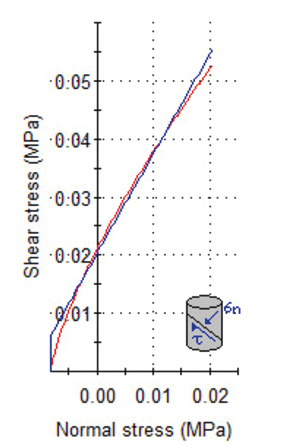
Originally Published on LinkedIn, 11 January 2015. Republished by permission of the author. The Generalised Hoek-Brown (GHB) criterion is likely to be, in one form or another, the most widely used rock mass strength criterion in geotechnical engineering practice, despite its semi-empirical nature or any…

Geotechnical Engineering Design and the New Zealand Building Code System

The Earthquake Geotechnical Engineering Practice Series (the Modules), published jointly by MBIE and NZGS during 2016 and 2017, is currently being updated. Feedback from users is now being incorporated and new research and information is being incorporated to continue to assist design professionals to improve…