
Debris Flow Assessment, Analysis and Mitigation
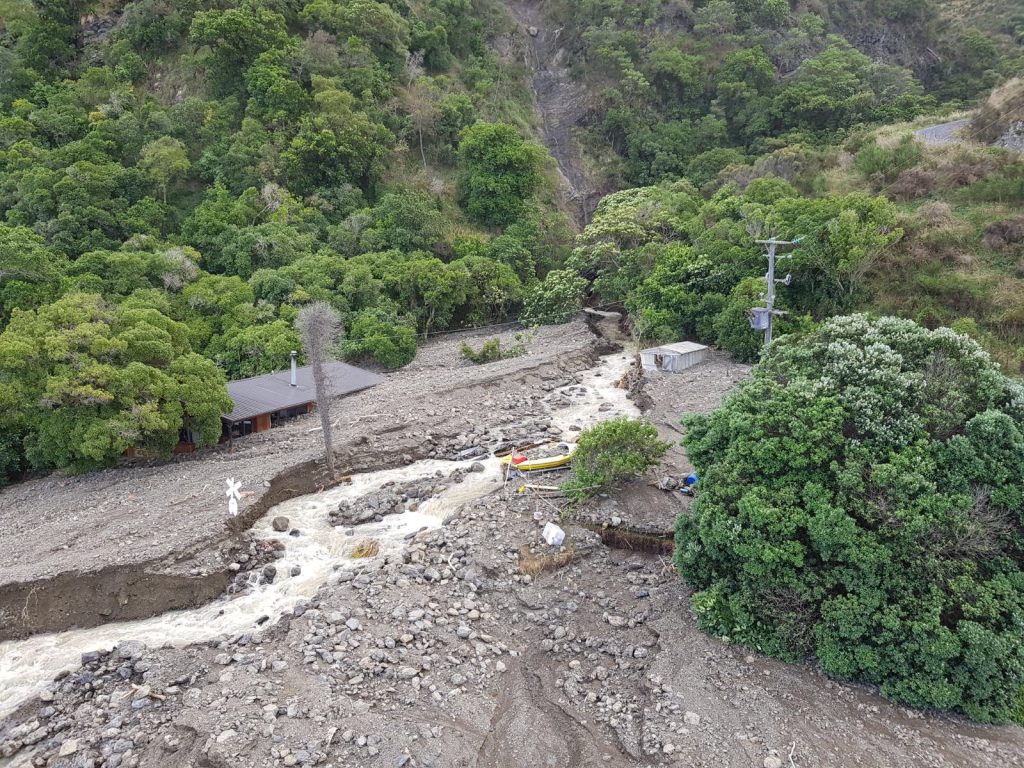
Debris flows are prevalent in regions characterised by steep terrain and periodic episodes of intense or sustained rainfall. Due to their high velocities, substantial impact forces, extended travel distances, and unpredictable occurrence, debris flows represent one of the most hazardous forms of landslides.
Alluvial fans typically possess moderate to gentle gradients compared to adjacent uplands and often feature perennial watercourses, favourable foundation conditions, and attractive views. As a result, these areas have become increasingly popular for housing developments in many areas of New Zealand. However, such locations are susceptible to hazards associated with elevated runoff, including debris flows and debris floods. With continued expansion into these vulnerable areas, there is a growing imperative for comprehensive and rigorous assessment of hazards and risks posed by debris flows and related events—an issue heightened by the implications of climate change.
This Slope Stability Guidance document provides an overview of recommended practices in geotechnical engineering, emphasising applicability to New Zealand’s unique environmental conditions, regulatory framework, and recognised methodologies for evaluating debris flow hazards. Its primary objective is to furnish technical and practical advice for geoprofessionals—including engineers, engineering geologists, and hydrogeologists—and others engaged in the assessment and management of debris flow risks within the New Zealand context. The guidance aims to ensure that evaluations are conducted competently, consistent with established practices and contemporary technical knowledge.
Comments on Unit 6 should be addressed to the NZGS secretary (secretary@nzgs.org) and should be forwarded no later than Friday 14 November 2025. PDF Markups are preferred where this is possible.
Richard Justice